Anal Cancer Symptoms

Anal Cancer Symptoms

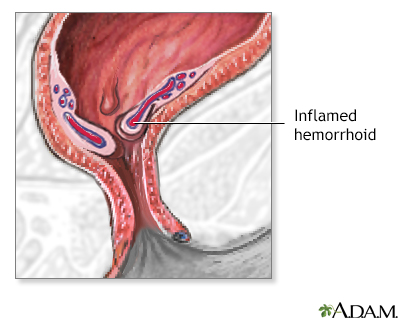
Anal cancer is cancer that develops in the anus, the opening of the rectum, which allows waste to pass from the large intestine to outside of the body.

Go to Page
Endometrial Cancer

Endometrial Cancer

About 4,500 women in the UK develop endometrial cancer each year. Most cases develop in women in their 50s and 60s. Rarely develops in women under age 50.

Go to Page
Brain Tumors Symptoms

Brain Tumors Symptoms

Brain tumors are the result of uncontrolled growth of abnormal cells in the brain. They can affect children and adults, but are considered to be rare among both populations.

Go to Page
Colon Cancer Symptoms

Colon Cancer Symptoms

Cancer of the colon/rectum is called colon or colorectal cancer. It develops in the digestive tract from polyps that initially are benign, but that over time mutate into a cancerous tumor.

Go to Page
Lung Cancer Symptoms

Lung Cancer Symptoms

Cancer of the lung, like all cancers, results from an abnormality in the body's basic unit of life, the cell.

Go to Page
Ovarian Cancer Symptoms

Ovarian Cancer Symptoms

Ovarian cancer is often referred as the "silent killer" because there are no early warning signs, or symptoms aren't noticeable until the advanced stages

Go to Page

Top Stories

Preventing Bladder Cancer

  • Wednesday, August 3, 2011
  • by


  • Unfortunately, there are no proven methods that guarantee prevention of bladder cancer. By avoiding what risk factors we can for bladder cancer, we may be able to reduce our chances of developing it.

    Quit Smoking or Don't Start. Smoking is the number one risk factor for bladder cancer. As soon as you quit (it's never too late!), your body reaps the benefits of being tobacco free. Quitting smoking is one of your best defenses against bladder cancer.

    Be Aware of Your Workplace Chemical Exposure. If you are exposed to fumes, dust and chemicals in the workplace, you have a right to know what you are being exposed to. Talk to your employer about limiting your exposure.

    Drink Plenty of Fluids. Some studies suggest that keeping well hydrated may reduce your risk of developing bladder cancer. The more liquids you intake, the less time toxic substance remain in the system, potentially causing damage.

    source : cancer.about.com
    Read More...

    Bladder Cancer Treatment

  • by


  • Once bladder cancer is confirmed and the type and stage have been identified, a treatment plan is developed. Treatment depends on the type and stage of bladder cancer, as well as general health.

    Surgery is the most common type of treatment for bladder cancer. Surgery can be as minor as removing small superficial tumors during a cystoscopy to surgery to remove the entire bladder (cystectomy). Surgery may be done alone or in conjunction with chemotherapy or radiation.

    Chemotherapy may be recommended for both early and advanced stages of bladder cancer, but they may be administered differently. Chemotherapy treatment for those with early stage bladder cancer is delivered directly into the bladder. This is called intravesical chemotherapy. More advanced cases of bladder cancer that have spread to beyond the bladder are treated by standard intravenous (IV) chemotherapy.This type of treatment uses certain types high energy beams of radiation to shrink tumors or eliminate cancer cells.

    Radiation therapy can be prescribed to treat the disease and also to ease symptoms caused by the bladder cancer (palliatively). This type of treatment uses certain types high energy beams of radiation to shrink tumors or eliminate cancer cells. Radiation therapy works by damaging a cancer cell's DNA, making it unable to multiply. Although radiation therapy can damage nearby healthy cells, cancer cells are highly sensitive to radiation and typically die when treated. Healthy cells that are damaged during radiation are resilient and are often able to fully recover.

    source : cancer.about.com
    Read More...

    Diagnosing Bladder Cancer

  • by


  • If a doctor suspects that something may be wrong with the bladder, one of the first tests done will be a urine culture and urinalysis. Your doctor will want to see if an infection is the underlying cause of symptoms. A urine culture looks for the presence of bacteria in the urine, while urinalysis checks for the presence of blood. Note: If you are being treated for a urinary tract infection or cystitis and are not feeling better after taking all of your medication, it is important that you let your doctor know.

    Your doctor may also want to check your urine for the presence of tumor markers, proteins that are increased in the urine of people with bladder cancer.

    Another test used is diagnosing bladder cancer is urine cytology. In this test, a sample of your urine is screened for abnormal cells. These cells are then looked at under the microscope to screen for cancer. While it may sound like a non-invasive way to easily diagnose bladder cancer, it isn't. The test is known for false-negatives and false positives.

    If bladder cancer is suspected, then the doctor will want to get a better look at your bladder. This can be achieved through a cystoscopy, a procedure where the doctor inserts a thin, lighted tube equipped with a microscopic camera into the urethra to the bladder. The camera projects live feed to a monitor allowing the doctor to see see inside the bladder. If any suspicious areas are found, a biopsy can be done during a cystoscopy. A biopsy is the removal of small amount of bladder tissue to be examined further for the presence of cancer. It is the only way to confirm if cancer is present.

    source : cancer.about.com
    Read More...

    Symptoms of Bladder Cancer

  • by


  • Symptoms of bladder cancer include:
    • blood in the urine )either seen by naked eye or microscopically
    • painful urination
    • frequent urination
    source : cancer.about.com
    Read More...